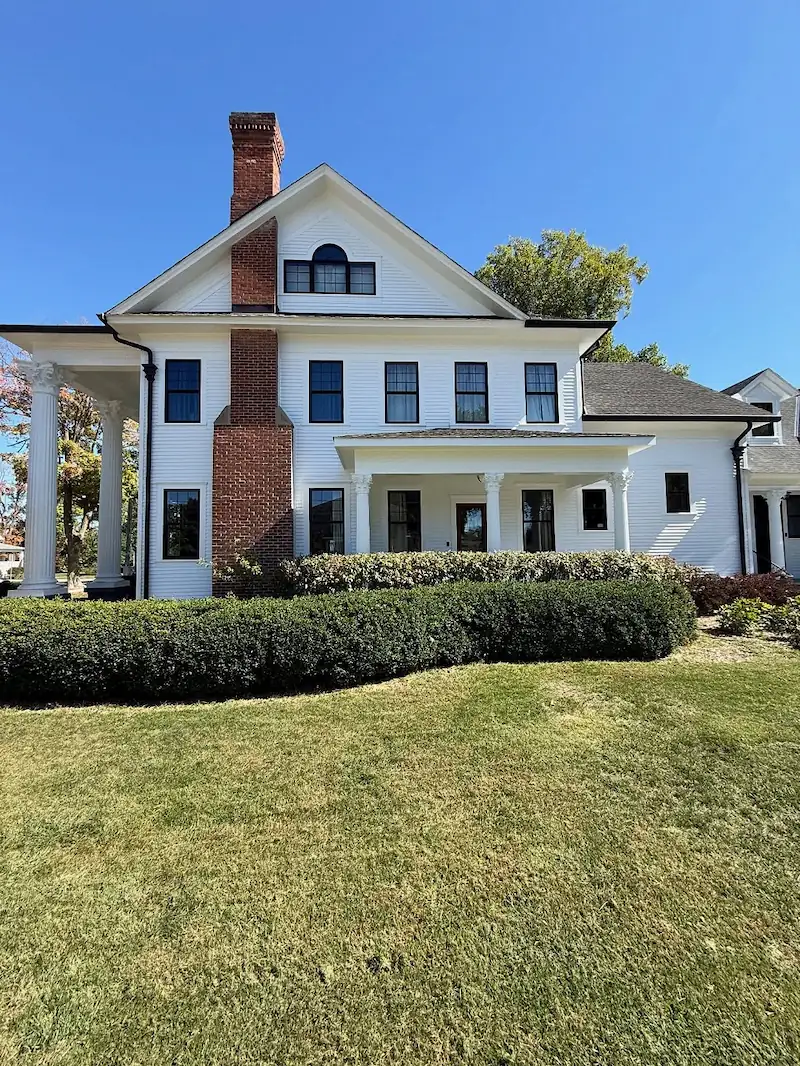


You’ve decided it’s time to paint. Maybe the exterior siding looks tired after another Michigan winter, or you’re finally ready to swap out that beige interior for something that feels like home. Either way, you’re now facing the hardest part of the project: choosing who gets to do the work.
Hire the wrong contractor and you risk more than a bad paint job. You risk peeling finishes within a year, weeks of delay while a crew shows up whenever they feel like it, a “surprise” invoice that’s nowhere near your original quote, and damage to your siding, trim, or landscaping that nobody wants to take responsibility for. In the worst cases, homeowners end up paying twice: once for the botched job, and again for the professional who has to fix it.
The good news is that you can avoid nearly all of this by asking the right questions before you sign anything, and by knowing what a licensed and insured painting contractor’s estimate should actually look like. This guide walks you through the warning signs, the questions worth asking, and what a trustworthy estimate should include.
Why Choosing the Right Painting Contractor Matters
Paint does more than make your home look nice. It’s a protective layer that shields your siding, trim, and drywall from moisture, sun damage, and everyday wear. When a contractor skips proper preparation, that protection doesn’t hold, and you’ll see it in the form of cracking, peeling, or fading well before you should.
A quality contractor costs more upfront and saves you money over the life of your home. Cheap work rarely stays cheap. It just delays the real expense until you’re paying for a full repaint two or three years earlier than you should have to.
Common Warning Signs of the Wrong Painting Contractor
They Offer a Price That’s Much Lower Than Everyone Else
If one estimate comes in dramatically below the others, ask why. A painter can only cut costs so many places: thinner paint, fewer coats, rushed prep, or unlicensed labor. Any of those shortcuts shows up on your walls within a year or two. As a rough guide, most residential painting projects in Southeast Michigan land within a fairly consistent range once square footage, surface condition, and prep needs are factored in — a bid that’s dramatically outside that range in either direction is worth a second look.
They Can’t Show Recent Projects
A contractor who’s proud of their work will happily show it off. Ask to see recent projects, ideally ones similar in scope to yours. Take a look through our work to see what finished projects should actually look like.
They Have Few or Poor Online Reviews
Check Google reviews for consistency, not just star ratings. Read a handful of the most recent ones and pay attention to how the contractor responds when something didn’t go perfectly. That response tells you more than the rating does.
They Avoid Written Estimates
A verbal quote protects nobody. Insist on a written estimate that spells out the scope of work, materials, and price before any work begins. If a contractor hesitates to put it in writing, treat that as a red flag.
They Don’t Explain Their Preparation Process
Ask specifically how they’ll handle sanding, repairs, caulking, and priming. A contractor who glosses over prep work is telling you, without saying it directly, that they plan to skip it. If your home was built before 1978, ask whether the crew follows EPA lead-safe practices during prep — reputable contractors will know the EPA’s Renovation, Repair and Painting rule and follow it without being asked.
They Can’t Answer Your Questions Clearly
Pay attention during your first conversation. A contractor who communicates clearly before you’ve hired them will almost always communicate clearly during the project. One who’s vague or evasive now will be harder to reach once your deposit is in.
10 Questions Every Homeowner Should Ask Before Hiring a Painter
- Are you licensed and insured?
- How do you prepare surfaces before painting?
- Which paint brands and product lines do you use?
- Who actually performs the work — employees or subcontractors?
- How long will the project take, start to finish?
- Is everything included in this estimate, or should I expect add-ons?
- What warranty do you offer on the finished work?
- How do you protect furniture, floors, and landscaping during the job?
- Can you provide references from recent, similar projects?
- How do you handle repairs you discover once work is underway?
What Should Be Included in a Painting Estimate?
A complete estimate should spell out labor, materials, and the specific paint brands being used. It should also detail the prep work involved (sanding, patching, caulking, priming), any expected repairs, cleanup, a realistic timeline, the payment schedule, and the warranty terms. Pricing will vary based on square footage, surface condition, and how much prep the job needs, so treat any estimate that skips these details as incomplete. If any of these are missing, ask for them before you sign.
How to Compare Painting Contractors
Price matters, but it shouldn’t be the only factor on your list. Weigh each estimate against the contractor’s experience, communication style, reviews, approach to prep work, warranty terms, portfolio, and overall professionalism. A slightly higher bid from a licensed and insured painting contractor who checks every box usually costs less than a lower bid that leads to redoing the work.
DIY vs. Hiring a Professional Painting Contractor
DIY makes sense for small touch-ups: a scuffed doorframe, a single accent wall, minor nail-hole patching. Once the project grows beyond that, hiring a professional pays off. Whole-house interiors, full exterior repaints, cabinet refinishing, high ceilings, and anything requiring extensive prep work all call for a trained crew with the right equipment and experience.
When Should You Hire a Professional Painter?
Bring in a professional when you’re tackling multiple rooms at once, dealing with peeling paint or damaged siding, refinishing cabinets, preparing your home to sell, or working against a tight timeline. These are exactly the situations where a missed step or rushed job costs you the most.
Why Homeowners Trust Inspired By Design Painting
We built this residential painting company as a husband-and-wife team, and we treat every home we work on like it’s our own. That shows up in the details: transparent, line-item estimates with no surprise costs, honest communication from the first walk-through to the final review, and thorough preparation before a single coat goes on. We work with premium materials, and our team shows up when we say we will.
Take a look at our interior painting and exterior painting services, browse our work, or learn more about us and how we approach every project.
Proudly Serving Homeowners Across Southeast Michigan
If you’ve searched for “professional painters near me” anywhere around Brighton, South Lyon, Milford, Novi, Howell, or Ann Arbor, we’re already working in your area — and we’d love to talk through your project.
Next Steps Before You Hire a Painting Contractor
- Compare multiple estimates
- Verify licensing and insurance
- Read recent reviews, not just the star rating
- Review previous, similar projects
- Understand exactly how they’ll prep your surfaces
- Ask about warranty terms
- Get everything in writing before work begins
Schedule Your Free Painting Consultation
Ready to talk through your project with a team that answers your questions clearly and puts everything in writing from the start? Contact us for a detailed estimate and honest guidance on your next painting project.
FAQs
How many estimates should I get before hiring a painting contractor? Aim for at least two or three. It gives you a real baseline for pricing and lets you compare not just cost, but process, communication, and professionalism across contractors.
What should a painting estimate include? A complete estimate covers labor, materials and paint brands, the full prep process, any anticipated repairs, cleanup, a timeline, the payment schedule, and warranty details.
How do I know if a painting contractor is trustworthy? Look for consistent, detailed online reviews, a willingness to show recent work, clear answers to your questions, and a written estimate that leaves nothing vague.
Should I hire the cheapest painting contractor? Not automatically. A bid that’s far below the others usually means shortcuts somewhere, whether that’s thinner paint, skipped prep, or fewer coats. Weigh price against experience, reviews, and warranty coverage.
Do professional painters provide warranties? Reputable contractors typically stand behind their work with a written warranty. Always ask for the specific terms before you sign.